
Introduction
Bookshelf speakers are compact speakers that deliver real stereo sound without the footprint of floor-standing towers. They suit a first music system, an upgrade from weak TV audio, or a small room.
This guide covers how they work, the main types, the specifications that matter, placement, and care. It also explains the mistakes that lead to thin, boomy, or distorted sound.
How Bookshelf Speakers Work
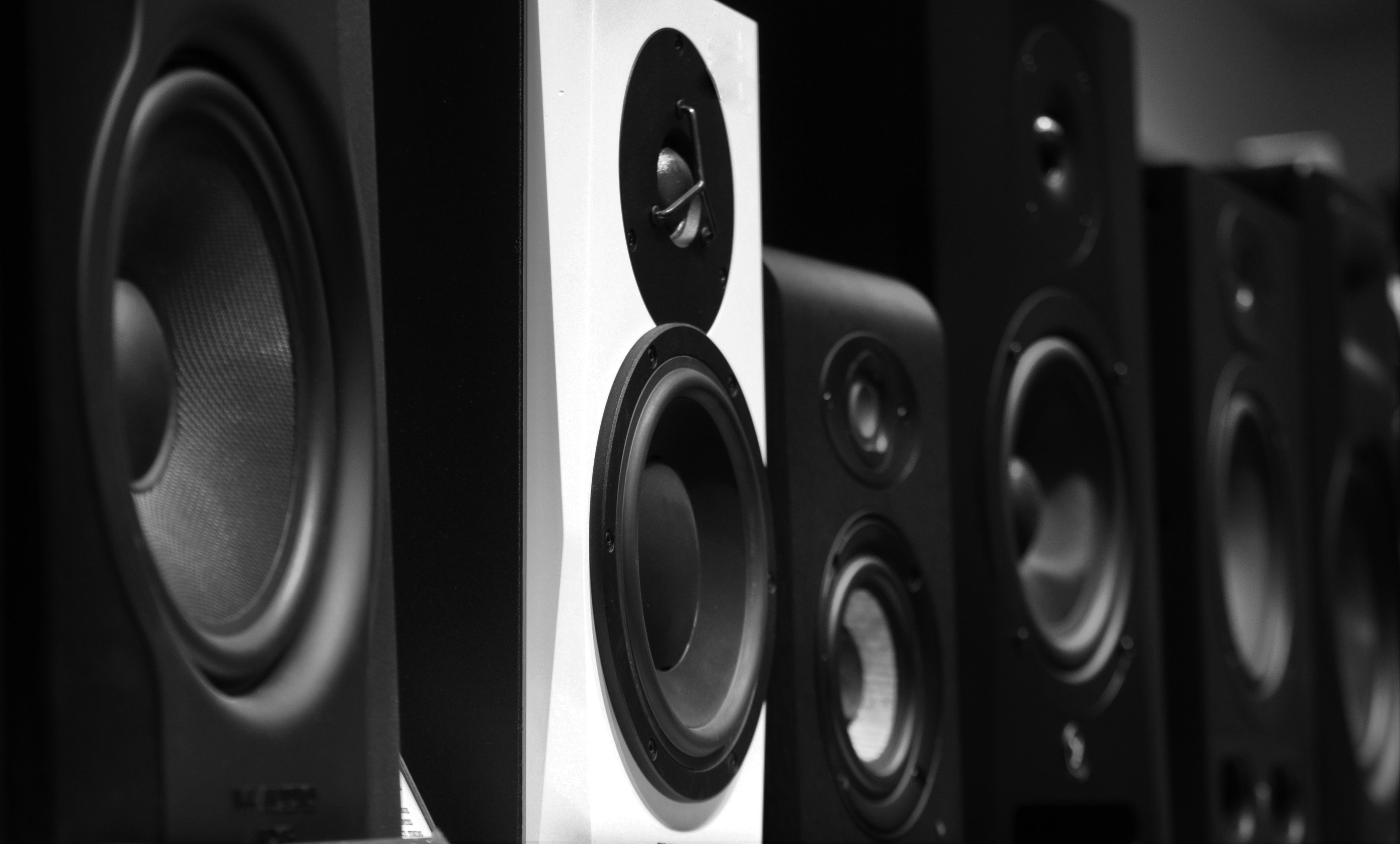
Every speaker turns an electrical signal into sound by moving a cone or dome back and forth. Most compact pairs use two drivers. The woofer handles bass and midrange, and the tweeter handles treble. A crossover inside the cabinet sends each driver the frequencies it handles best.
The cabinet matters as much as the drivers. A sealed cabinet keeps the air inside closed, which gives tighter bass. A ported cabinet, also called bass reflex, uses a tuned opening to reinforce low notes. Small cabinets move less air than large towers, so these models usually reach less deep bass. Their strengths are clear midrange, detailed treble, and stable stereo imaging.
Stereo imaging is the sense that voices and instruments hold fixed positions between the pair. Small cabinets often excel here because their narrow front panels spread sound more evenly across the room.
Types of Bookshelf Speakers
These speakers fall into a few clear categories, and the type you pick affects what else you need.
- Passive models: These have no built-in amplification. They connect to an AV receiver, stereo receiver, or amplifier with speaker wire, and the amplifier supplies the power.
- Powered (active) models: These have amplifiers built into the cabinet, so no separate amp is needed. Inputs vary by model and may include RCA, 3.5mm, optical, USB, Bluetooth, or HDMI ARC. Usually only one speaker connects to the source, and a cable links it to the second.
- Two-way designs: One woofer and one tweeter per speaker. This is the most common layout and suits most rooms.
- Three-way designs: These add a dedicated midrange driver. They can sound more open in the vocal range but are usually larger.
- Sealed and ported designs: Sealed models are more forgiving about placement. Ported models can sound fuller but are more sensitive to how close they sit to a wall.
How to Choose Bookshelf Speakers
Start with the electronics you own. Passive speakers need an amplifier or receiver, and powered speakers need a source with a compatible output. Check the speaker's impedance, rated in ohms, against what your amplifier supports. Many receivers state a minimum impedance, and a speaker below that figure can strain the amp.
Next, compare sensitivity, which is measured in decibels with one watt of input at one meter. A higher sensitivity rating means the speaker plays louder from the same amplifier power. This matters with a low-powered amp or a larger room. Also check the speaker's recommended amplifier power range, not just its maximum power handling.
Frequency response shows how low and high the speaker reaches. Treat it as a rough guide, because the same range can sound very different between models. Cabinet size and woofer diameter hint at bass depth, and both should suit the room. A small bedroom rarely needs a large cabinet, while a big living room may benefit from one.
Consider your room itself. Hard floors and bare walls make treble sound bright, while rugs, curtains, and upholstered furniture soften it. A warmer-sounding speaker often suits a lively room, and a more neutral one suits a well-furnished room.
Finally, consider build quality. Wood-based cabinets, such as MDF or real-wood veneer, resist unwanted vibration better than thin plastic. Look for solid binding posts, and check that the grille is removable if you prefer the exposed look. If the speakers will sit near a CRT-era display or other sensitive gear, magnetic shielding is a useful feature.
Placing and Setting Up Your Pair
Placement changes the sound more than most upgrades. Set the tweeters at about ear height when you are seated. Stands are usually better than a shelf, because they hold the speaker steady and keep it away from nearby surfaces that cause boomy bass.
Position the pair to form a rough triangle with your listening seat, and angle them slightly inward, known as toe-in. Adjust until vocals sound centered and focused between the speakers. Keep ported speakers, especially rear-ported ones, clear of walls so the port can work properly.
Use speaker wire of adequate thickness. A lower AWG number means thicker wire, and longer runs call for thicker wire. Cut both wires to the same length so the two channels stay balanced. Match the positive and negative terminals on both ends. Reversed polarity on one speaker weakens bass and makes the sound seem hollow.
Give new speakers some hours of regular listening before you judge them. Drivers loosen slightly with use, and bass often settles and smooths out. Set the receiver's speaker size to small if it offers the option, and let a subwoofer handle the lowest notes.
Caring for Your Speakers
Dust the cabinets with a dry or slightly damp soft cloth. Brush grilles gently, and keep liquid cleaners away from the drivers. Avoid pressing on the woofer cone or tweeter dome, since both dent easily.
Foam woofer surrounds can deteriorate with age. Warning signs include crackling, buzzing, rattling at moderate volume, or one speaker sounding noticeably weaker than the other. Distortion at high volume often means the amplifier is clipping, which can damage a tweeter, so turn the volume down before the sound gets harsh.
Keep speakers out of direct sunlight, away from heat vents, and out of damp areas, which can harm cabinets and drivers over time. Leave the grilles on when children or pets are nearby, since exposed drivers are fragile.
Common Mistakes to Avoid
Most disappointing results come from setup and matching errors rather than the speakers themselves.
- Buying passive speakers without an amplifier. They will not make sound on their own, so confirm you have a receiver or amp first.
- Ignoring impedance and sensitivity. A mismatch can leave the system quiet or strained, and a low-impedance load can stress some amplifiers.
- Pushing the speakers into corners or placing them flush against a wall. This often produces muddy, exaggerated bass.
- Expecting tower-level bass from a small cabinet. If you want deep low end, plan to add a subwoofer.
- Judging by wattage alone. Power ratings say little about sound quality, and a well-matched pair can beat a mismatched one with bigger numbers.
- Mixing speaker models across the left and right positions. A true matched pair keeps tone and volume consistent from side to side.
Frequently Asked Questions
Do these speakers need a stand?
Not strictly, but stands usually improve sound. They raise the tweeters to ear level and reduce vibration and wall interaction. A sturdy shelf or console can work if the speaker sits at a good height and has room to breathe.
Can I use them with my TV?
Yes. Powered models with optical or HDMI ARC inputs can connect directly to many TVs. Passive speakers need a receiver or amplifier between the TV and the speakers. Check which audio outputs your TV offers before choosing.
Do I need a subwoofer?
Not always. For music in a small or medium room, many pairs are enough. If you watch action movies or listen to bass-heavy music and want deeper low end, a subwoofer fills in what small cabinets cannot reproduce.
Are powered or passive models better?
Neither is better overall. Powered speakers are simpler and need fewer components. Passive speakers let you choose and upgrade your amplifier separately. Pick powered for convenience, and passive if you already own a receiver or want a flexible system.
Ready to Shop
The best bookshelf speakers are the ones that match your amplifier, your room size, and the way you listen. Decide between passive and powered first, then check impedance, sensitivity, and inputs against your gear. Plan for stands and sensible placement, and compare each model's published impedance, sensitivity, and input list against your equipment before you finalize your setup.
Ready to find the perfect products? Browse our Electronics collection.
Shop Electronics Now