
VAL09029 24V 1/2" NPT. SLOW OPENING GAS VALV 24V 1/2" NPT. SLOW OPENING GAS V
Price:
2099-12-31
$94.58
24V 1/2" NPT. SLOW OPENING GAS VALV

My Account
If you are already registered, please log in.
Create your account and enjoy a new shopping experience.
Create A New Account

 Free Shipping
 In stock
 1 days





"1/2"" SLOW OPENING GAS VALVE"
1/2"" SLOW OPENING GAS VALVE
Reduce potential propane loss and eliminate the possibility of an over-fueled burner with the 298945 EF53CK205-1/2 SLOW OPENING GAS VALVE, part of the Carrier® 1/2"" Slow Opening Gas Valve family. This device reduces potential for over fueling burners, and includes a manual reset button. It's easy to install, too!
The Carrier gas furnace comes with a 1/2"" slow-opening gas valve manufactured by Western Pacific, FAA/PMA approved for installation in your home. This gas valve is used with a straight burner to help deliver cleaner air and fuel savings.
Designed for safety and reliability, our family of Fusible Disconnects by Carrier are specifically crafted with the exceptional hunter in mind. Designed to perform above & beyond OEM standards, our line of 1/2 in. Slow Opening Gas Valves on Senvion Vertical Turbines are designed to protect the homeowner by preventing unwanted ignition during defrost or malfunction of their heating system.
Our 1/2-Inch Slow Opening Gas Valve is designed for use in gas sprinkler systems. It is used to regulate the rate of flow of natural gas through the system. This product is a brass bonnet gas valve, 1/2 inch NPT, with a chrome plating and a Class 200 union inlet connection.
The Carrier gas valve will help you cut your energy costs. It's an ideal investment for new construction and retrofit applications. The 1/2" fitting for the gas line makes this valve one of our most popular models. It releases gas from the supply line in a slow, controlled manner, helping prolong life of heat exchanger and reducing the risk of carbon monoxide buildup. Definitely not just another pretty face, get yours today.
The Carrier Fast-Opening gas valve will save you money on your gas bill and prevent the possible hazard of explosion or debris from an over-pressurization.
1 days
24V 1/2" NPT. SLOW OPENING GAS VALV
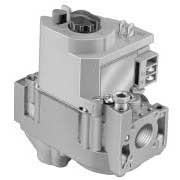
Honeywell
24V GAS VALVE 1/2" X 1/2" SLOW OPENA 24V GAS VALVE 1/2" X 1/2" SLOW OPEN - 3/8" FEM ADJUSTABLE.HONEYWELL VR8200H125 24V GAS VALVE 1/2' X 1/2" SLOW OPENHoneywell has created a premium gas valve for...

RESIDEO
The Resideo VR8205H1003 SLOW OPEN NAT. GAS VALVE is a gas valve designed for use with natural gas systems. This valve is designed to provide a slow open function, which allows for a gradual release...
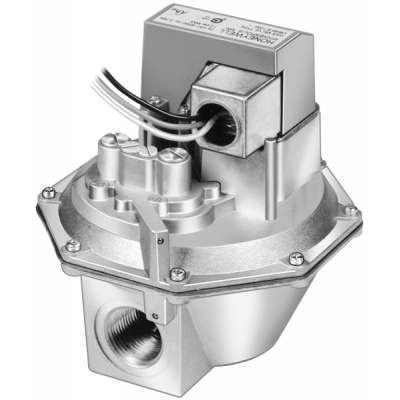
Honeywell
"1"" SLOW OPEN 1STG. LP GAS 24V."1"" SLOW OPEN 1STG. LP GAS 24V."Turnkey operations are easy with the V8943C1018 1"" Slow Open LP Gas Valve. This 24V valve can be installed on LP gas equipment, and...

"DirIgn1/2""SlowOpenGasVlv3.5""wc"The Honeywell Dirignium 1/2" Slow-Opening Direct Ignition Gas Valve can help improve efficiency and safety in your gas service. It works by slowly opening the gas to...

WHITE-RODGERS
24V 1/2" X 1/2" Combination Gas ValItsPurpose is to create solutions with customers so they get energy and infrastructure [products] and services that help them solve their pressing challenges,...