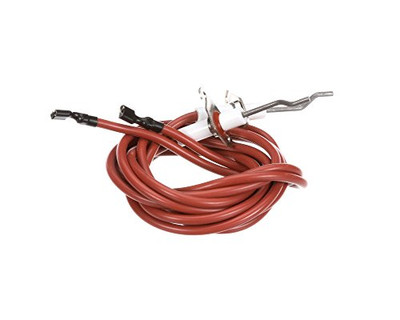
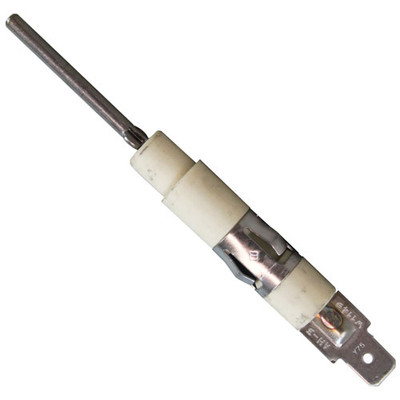
Flame Sensor
The Flame Sensor immediately cuts off gas flow to the appliance when a pilot light has extinguished. It is used in gas-fired household appliances that require an open flame or spark, including water heaters, furnaces, stoves, boilers and ovens.
The Flame Sensor is a direct replacement for your existing flame sensor
The NIECO 380S Flame Sensor is used to prevent flame failure on gas grills, boilers and fireplaces. It continually monitors internal temperature to extinguish pilot when flame is extinguished. When pilot is re-ignited, Flame Sensor will once again monitor flame temperature and relight pilot when reach a specified temperature.
The Nieco Flame Sensor is specially designed to help prevent gas appliances from leaking or igniting.
the NIECO FLAME SENSORS are used to prevent fires caused by stray or faulty pilot flame (flame failure) at burner start-up. A flame failure occurs when there is no pilot flame at burner start-up. This can be caused by improper design of the system, careless operation and dirty/clogged pilot ports. The Flame Sensors sense the temperature from the pilot and thermocouple (High or low). If no pilot flame is present, then the sensor will trip a commercial grade interrupter.
The flame sensor is designed to be installed on the cook-top, and quickly detects a flame. This sends a signal back to the control unit and blinks the "Mode" LED as long as a flame is sensed. Using the above feature helps make sure that the direct flame on a cook-top does not "burn out," causing the pilot light to go out after time, thus which will disable all burners from being able to light up.
The ignitor or Flame Sensor is a component that does exactly what it sounds like: enables the ignition and operation of gas stoves. In effect, the ignitor is responsible for allowing gas combustion to occur. In summary, it provides an electrical flame signal to your gas stove burner.



 Free Shipping
 In stock