
Introduction
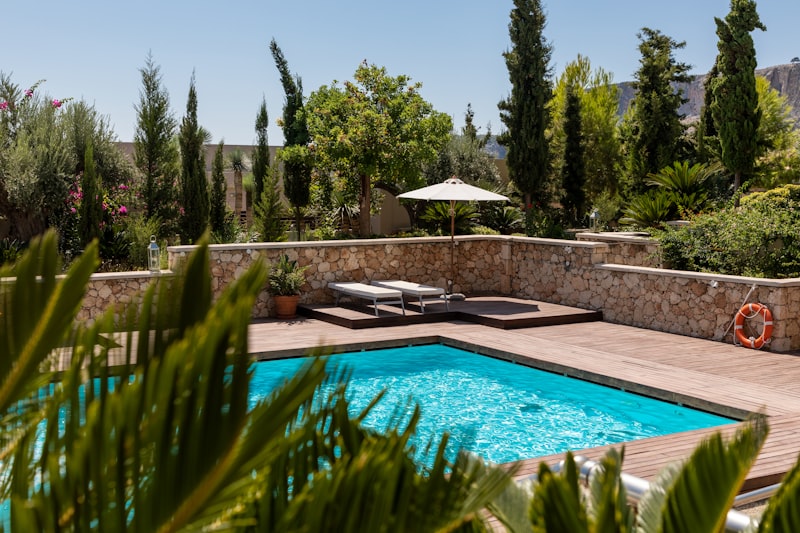
A pool is a fantastic addition to any home, offering recreation, relaxation, and a beautiful focal point in your backyard. However, owning a pool also comes with responsibilities, and one of the most crucial is maintaining its cleanliness and safety. That's where pool covers come in. This comprehensive buying guide will walk you through everything you need to know about pool covers, from understanding their purpose and types to choosing the right one for your needs and budget. We'll also cover essential features, common mistakes to avoid, and answer frequently asked questions.
Understanding Pool Covers
Pool covers serve multiple important functions. Primarily, they keep debris like leaves, dirt, and insects out of your pool, reducing the need for frequent cleaning and saving you time and money on chemicals. They also help to prevent water evaporation, which conserves water and lowers your water bill. Furthermore, pool covers enhance safety by preventing accidental falls into the pool, particularly for children and pets. Lastly, some pool covers can even help retain heat, extending your swimming season and reducing energy costs if you have a pool heater.
Types of Pool Covers
There are several types of pool covers available, each with its own advantages and disadvantages. The best choice for you will depend on your specific needs, budget, and the shape and size of your pool. Here are three main types:
1. Solar Pool Covers
Solar pool covers, also known as solar blankets, are typically made from a bubble-wrap-like material. They are designed to float on the surface of the water, absorbing solar energy and transferring it to the pool, thereby warming the water. They also significantly reduce evaporation.
- Pros: Inexpensive, easy to install and remove, helps warm the water, reduces evaporation.
- Cons: Can be cumbersome to handle, not very durable, doesn't provide much safety.
2. Winter Pool Covers
Winter pool covers are designed to protect your pool during the off-season. They are typically made from a durable, opaque material that blocks sunlight and prevents algae growth. They also keep debris out of the pool and help to protect the pool structure from damage caused by freezing temperatures.
- Pros: Durable, provides good protection from debris and weather, relatively inexpensive.
- Cons: Primarily for winter use, can be difficult to install and remove, doesn't warm the water.
3. Automatic Pool Covers
Automatic pool covers are the most convenient and sophisticated option. They are typically motorized and can be opened and closed with the push of a button. They provide excellent safety, reduce evaporation, and keep debris out of the pool.
- Pros: Extremely convenient, excellent safety, reduces evaporation, keeps debris out.
- Cons: Most expensive option, requires professional installation, may require maintenance.
Essential Features to Consider
When choosing a pool cover, there are several essential features to consider to ensure you get the best value and performance. These include:
- Material: Look for durable, UV-resistant materials that can withstand the elements and resist tearing.
- Thickness: Thicker covers generally offer better insulation and durability.
- Size and Shape: Ensure the cover is the correct size and shape for your pool to provide adequate coverage.
- Attachment Method: Consider how the cover will be attached to the pool. Options include weights, anchors, and track systems.
- Safety Features: If safety is a primary concern, look for covers that meet safety standards and can support the weight of a person.
How to Choose the Right Pool Cover
Choosing the right pool cover involves considering several factors. Here's a step-by-step guide:
- Assess Your Needs: Determine your primary goals for the pool cover. Are you primarily concerned with safety, reducing evaporation, warming the water, or protecting the pool during the winter?
- Measure Your Pool: Accurately measure the length and width of your pool. If your pool is not a standard shape, take measurements at several points to ensure a proper fit.
- Set a Budget: Pool covers range in price from a few hundred dollars to several thousand dollars. Determine how much you are willing to spend.
- Consider the Climate: If you live in a cold climate, a winter pool cover is essential. If you live in a sunny climate, a solar pool cover may be beneficial.
- Read Reviews: Research different pool cover models and read reviews from other customers to get an idea of their performance and durability.
- Consult with a Professional: If you are unsure which type of pool cover is best for your needs, consult with a pool professional for advice.
Recommendations
Based on our research and experience, here are some recommendations for pool covers:
- For Budget-Conscious Buyers: A solar pool cover is an excellent choice for reducing evaporation and warming the water at an affordable price.
- For Winter Protection: A durable winter pool cover is essential for protecting your pool during the off-season.
- For Maximum Convenience and Safety: An automatic pool cover provides the ultimate in convenience and safety, although it is the most expensive option.
Mistakes to Avoid
To ensure you get the most out of your pool cover, avoid these common mistakes:
- Buying the Wrong Size: Always measure your pool accurately before purchasing a cover. A cover that is too small will not provide adequate coverage, while a cover that is too large will be difficult to handle.
- Ignoring Safety Standards: If safety is a primary concern, make sure the cover meets safety standards and can support the weight of a person.
- Neglecting Maintenance: Regularly clean your pool cover to prevent the buildup of debris and algae.
- Storing the Cover Incorrectly: When not in use, store the cover in a dry, protected area to prevent damage.
FAQ
Here are some frequently asked questions about pool covers:
Q: How often should I clean my pool cover?
A: You should clean your pool cover at least once a month, or more often if it becomes heavily soiled.
Q: Can I use a pool cover with a saltwater pool?
A: Yes, but be sure to choose a cover that is made from a material that is resistant to salt corrosion.
Ready to Shop
Now that you have a better understanding of pool covers, you're ready to shop. Consider your needs, budget, and climate when making your decision, and don't hesitate to consult with a pool professional for advice. With the right pool cover, you can keep your pool clean, safe, and enjoyable for years to come.
Ready to find the perfect products? Browse our Pool & Spa - Pool Maintenance collection.
Shop Pool Maintenance Now