10-5# RA 2 pole Press Switch
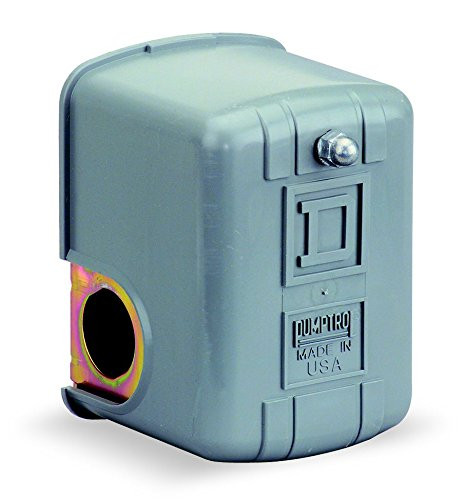
The Schneider Electric 9013FRG22J36 is a 2 pole 10-5# RA pressure switch in the Square D/Schneider Electric Category. This model has Open Pressure Pressure Setting of 10-5 (1.0-0.50) psi; Cut-Out Pressure of 20-50 and Reverse Acting Adjustable Differential of 15-30 psi. 866(569)708-8816, [email protected]
Schneider Electric 9013FRG22J36 Square D, Pressure Switch, 10-5 psi Pressure Setting, 20-50 psi Cut-Out, 15-30 psi Reverse-Acting Adjustable Differential.
Schneider Electric 9013FRG22J36 is a Square D by Air-Pump Pressure Switch, NEMA 1, 10-5 psi Pressure Setting, 20-50 psi Cut-Out, 15-30 psi Reverse-Acting Adjustable Differential Switch.
Nema 1 pressure switch, 10-5 PSI Pressure Setting, 20-50 PSI Cut-Out, Adjustable Differentiation: 15-30 PSI, 120/240V
Schneider Electric 9013FRG22J36 Square D pressure switch by Air-Pump provides fast response, prolonged life and an easy-to-read dial. It is made of glass filled polyester with metal /plastic mounting strap. Features: -Pressure switches.-Input connection, wire and tubing.: Plastic.-Mounting accessory required: Yes.-Kits / accessories included: No.Dimensions: -Overall height - Top to bottom: 3.9.-Cut-out diameter -
The 9013FRG22J36 Pressure Switch by Square D by Schneider Electric is a switch with a raised pressure-adjusting button. The buttons are designed with waves to make them easy to grip and turn. This switch features a center trip arm that closes, closing circuit breakers, in response to the pressure reached on both poles. Closing of this switch results in the tripping of circuit breakers that are equipped with an off-delay relay. Automatic reset and adjustable differential are two of the
Schneider Electric's Square D QO® Overload Motor Protectors are the ideal choice where overload protection and motor starting are required. Its easy-to-select start and run relays, as well as its adjustable time delay trip feature, offer maximum flexibility for all types of load applications. The QO® Overload Motor Protector* has a positive differential so that the normally open contacts close before the circuit starts to carry current, thus reducing voltage stress on the motor. The operator may select a trip


 Free Shipping
 In stock