
Introduction
Side-scan sonar is a powerful technology for recreational and commercial boaters, providing a detailed view of underwater structure without requiring divers to inspect the bottom directly. Unlike traditional downward-facing sonar, side-scan systems use a transducer to produce images of the area to either side of the vessel, helping reveal rocks, submerged trees, debris, bottom contours, and other underwater features. Depending on the system, transducer, operating conditions, and selected range, side-scan can cover substantial areas beyond the boat's immediate path. Whether you're an angler searching for productive structure or a boater exploring unfamiliar waters, understanding how side-scan sonar works can help you choose and use the technology more effectively.
Understanding Side-Scan Sonar Technology
Side-scan sonar uses sound waves transmitted from a specialized transducer to create an acoustic image of the underwater environment. The sound pulses travel outward and reflect from objects and changes in the bottom surface before returning to the transducer. The resulting information is processed and displayed as an image that can help distinguish features such as rocks, vegetation, submerged wood, wreckage, and changes in bottom composition.
Unlike conventional sonar that primarily displays information beneath the vessel, side-scan sonar provides a broader view extending to both sides of the boat. This additional perspective can make it easier to identify structure that the boat does not pass directly over. Image quality and effective coverage vary according to the sonar frequency, transducer design, selected range, water depth, bottom conditions, vessel speed, and other operating factors.
Product Types: Side-Scan Sonar Configurations
- High-Frequency Side-Scan Systems: Higher-frequency systems can provide detailed images of underwater structure and are often useful when image clarity and target definition are priorities. Their effective range depends on the specific system and operating conditions, so buyers should compare manufacturer specifications rather than relying on frequency alone. These systems can be particularly useful for detailed structure identification in suitable water depths.
- Lower-Frequency Side-Scan Systems: Lower frequencies can provide greater effective range and may be better suited to applications where wider coverage is more important than the finest available detail. Actual performance varies considerably by transducer, sonar system, water depth, and environmental conditions. These systems can be useful for broader-area surveys and certain deeper-water applications.
- Portable Side-Scan Units: Portable systems offer a flexible alternative for anglers and explorers who do not want a permanent installation. Depending on the model, these units may use built-in batteries and wireless connectivity to display sonar information on a compatible mobile device. Their coverage, battery life, image quality, and connectivity depend on the individual product, so specifications should be reviewed carefully before purchase.
Essential Features of Quality Side-Scan Sonar
Swath Width and Coverage: Side-scan systems allow users to select a scanning range that determines how far the sonar displays information to either side of the vessel. Wider settings can cover more area during each pass, while narrower settings can make individual targets and structural details easier to examine. The most useful range depends on the system and the conditions in which it is being operated.
Range and Image Detail: Do not evaluate a side-scan system based on advertised range alone. Effective imaging distance can change with frequency, transducer performance, water depth, bottom composition, interference, vessel speed, and other conditions. Compare the manufacturer's specifications and consider whether your priority is detailed target identification, broader coverage, or a balance of both.
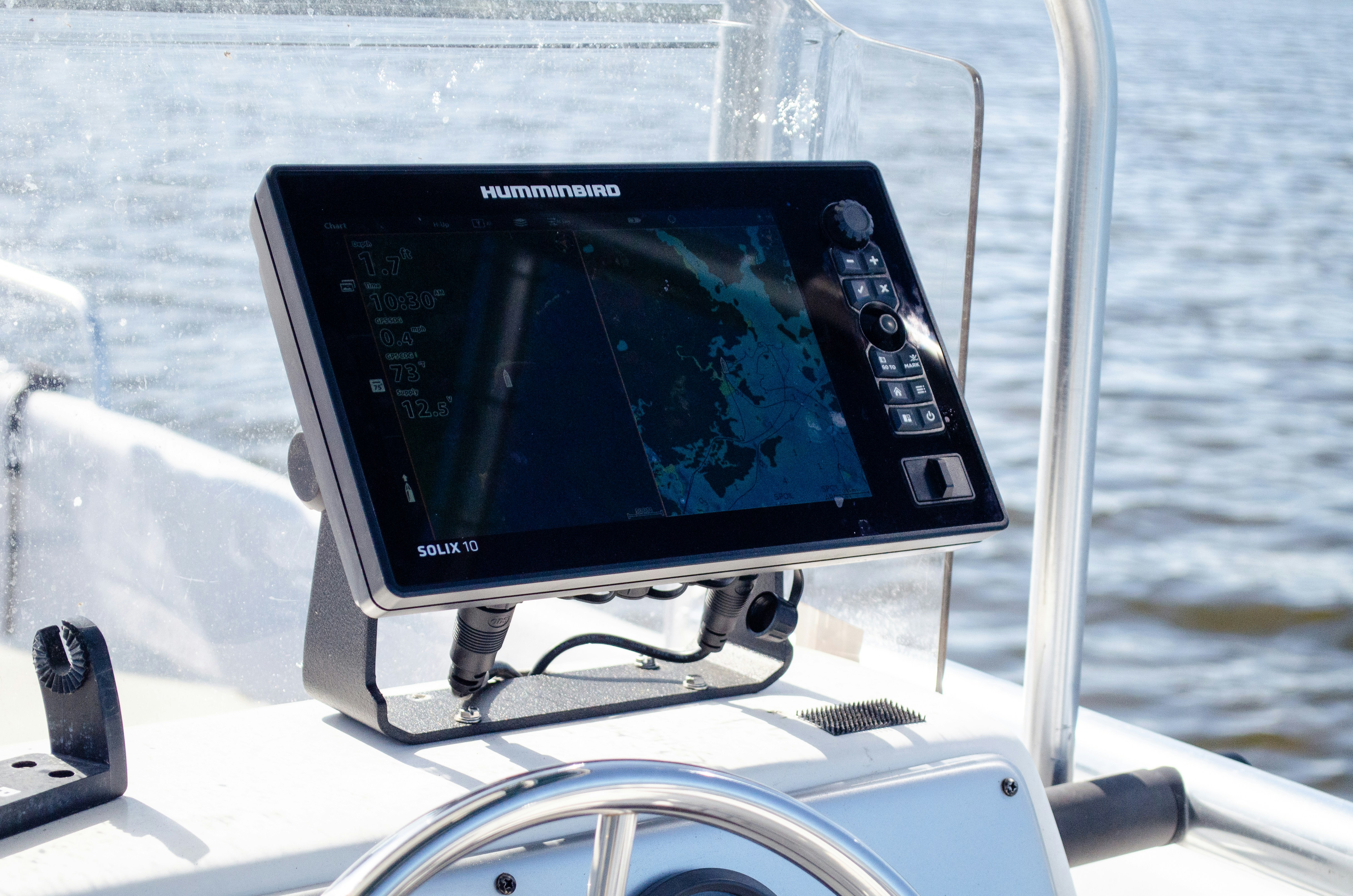
Display Integration: Many modern sonar systems can integrate with multifunction displays (MFDs), GPS, charts, and mapping features. This integration can allow users to mark locations, save waypoints, review sonar information alongside navigation data, and build a more useful record of underwater structure.
How to Choose the Right System
Start by identifying how you plan to use the sonar. Anglers searching for submerged structure may place a higher priority on image detail and target definition, while boaters surveying larger areas may place greater emphasis on coverage and range. Consider the waters you regularly use, including typical depths, freshwater or saltwater conditions, and the type of structure you want to identify.
Next, evaluate your boat, available power, installation requirements, and display compatibility. Fixed-mount systems can provide an integrated solution for vessels equipped with compatible electronics, while portable units can be useful when flexibility and easy deployment are more important. Check the transducer requirements, mounting position, display compatibility, power requirements, and networking capabilities before purchasing.
If possible, compare real-world demonstrations or product specifications from the manufacturer before making a decision. Image presentation, screen responsiveness, mapping functions, software features, and controls can vary considerably between systems. A sonar unit that appears impressive on paper may perform differently depending on installation and water conditions.
Recommendations for Maximum Effectiveness
For detailed structure fishing, choose a system that provides the combination of frequency, image quality, range, and transducer performance appropriate for your typical fishing environment. Side-scan works especially well when combined with traditional downward-facing sonar because the two technologies provide different perspectives of the underwater environment. Learning to interpret shadows, bottom changes, structure, and target shapes can also improve the usefulness of the images.
For navigation and exploration, combine sonar information with GPS and electronic charts when the equipment supports those functions. Marking submerged structure, hazards, depth changes, and other points of interest can make future trips more efficient. Remember that underwater conditions can change over time because of water-level fluctuations, storms, sediment movement, vegetation growth, and other environmental factors, so sonar information should be interpreted in the context of current conditions.
Common Mistakes to Avoid
Choosing Based on Frequency Alone: Frequency is an important consideration, but it should not be treated as the sole indicator of performance. Transducer design, sonar processing, selected range, water depth, installation, and operating conditions all affect the resulting image. Compare the complete system rather than assuming a particular frequency will automatically provide the best results for every application.
Ignoring Water and Installation Conditions: Water conditions and installation can affect sonar performance. Factors such as turbulence, air bubbles, vessel speed, bottom composition, depth, and transducer placement can influence image quality. Saltwater users should also verify that the selected equipment and installation components are appropriate for marine environments.
Over-Relying on Sonar: Side-scan sonar is a valuable interpretation tool, but sonar images should not be treated as infallible representations of every underwater object. Use appropriate sonar views, GPS information, charts, and firsthand observations when evaluating structure or potential hazards. Understanding how shadows and bottom returns are produced can also help reduce misinterpretation.
Frequently Asked Questions
What's the difference between side-scan and traditional fish finder sonar?
Traditional downward-looking sonar primarily provides information beneath or near the boat, while side-scan sonar creates a wider image extending to either side of the vessel. The technologies can complement one another by providing different views of the underwater environment.
Can side-scan sonar work in saltwater?
Yes. Side-scan sonar can be used in both freshwater and saltwater, provided the equipment is appropriate for the intended environment. When selecting equipment for marine use, check the manufacturer's specifications for transducer compatibility, installation requirements, corrosion resistance, and other applicable marine-use considerations.
How far can side-scan sonar image?
There is no single range that applies to every side-scan sonar system. Effective imaging distance depends on the sonar frequency, transducer, selected range, water depth, bottom composition, vessel speed, and environmental conditions. Check the manufacturer's specifications for the particular system and remember that maximum advertised range may not provide the same level of detail as a shorter range.
Ready to Shop
Side-scan sonar provides a valuable additional perspective of the underwater environment, helping boaters and anglers locate structure, examine bottom features, and better understand the waters they travel. Whether you're searching for fishing structure, exploring unfamiliar areas, or adding another layer of information to your navigation setup, the right side-scan system should match your vessel, operating environment, desired coverage, and display requirements.
Ready to find the perfect products? Browse our Electronics collection.
Shop Electronics Now