
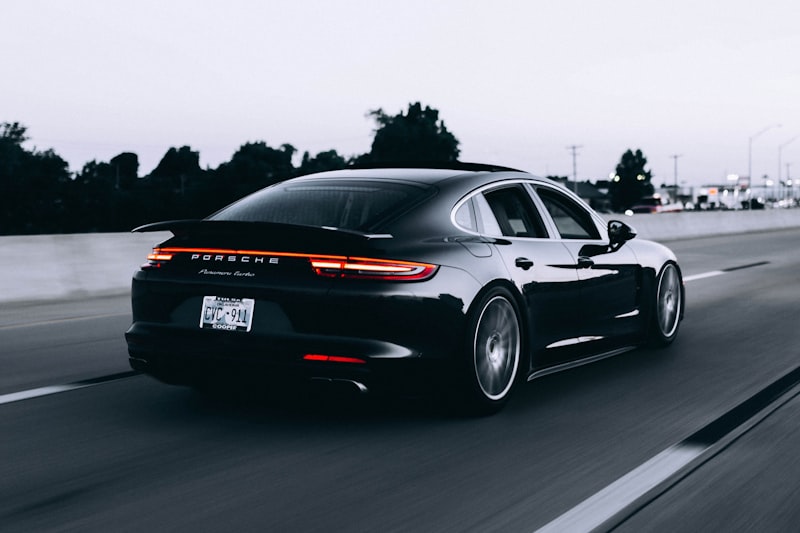
Introduction: Achieving a Showroom Shine with the Right Car Polisher
A gleaming car finish isn't just about aesthetics; it's a statement of pride and meticulous care. While a good wash can remove surface dirt, achieving that deep, reflective shine requires the expertise of a car polisher. This comprehensive guide will equip you with the knowledge to navigate the world of car polishers, ensuring you choose the perfect tool to transform your vehicle's appearance and protect its paintwork. We'll delve into the various types of polishers, essential features to consider, and provide step-by-step guidance on making the right choice, so you can achieve professional-quality results from the comfort of your own garage.
Understanding Car Polishers: More Than Just a Buffer
A car polisher is a power tool designed to remove imperfections and enhance the shine of your car's paint. Unlike a simple buffer, a polisher uses specialized pads and compounds to level the clear coat, eliminating swirl marks, scratches, and oxidation. The result is a smooth, reflective surface that looks brand new. Understanding the mechanics of a polisher and how it interacts with your car's paint is crucial for achieving optimal results and avoiding damage.
Product Types: Exploring the Car Polisher Spectrum
The car polisher market offers a variety of options, each catering to different skill levels, budgets, and specific detailing needs. Here are three main types to consider:
Rotary Polishers
- Description: Rotary polishers are the most powerful and aggressive type, ideal for removing deep scratches and heavy oxidation. They feature a rotating pad that spins in a circular motion.
- Pros: Highly effective for defect removal, fast cutting action, versatile for various paint types.
- Cons: Steeper learning curve, higher risk of creating swirl marks or burning the paint if used incorrectly, requires more control and precision.
- Best For: Experienced detailers, professionals, and those dealing with severely damaged paint.
Dual-Action (DA) Polishers
- Description: DA polishers feature a pad that both rotates and oscillates, creating a random orbital motion. This dual action reduces the risk of swirl marks and makes them more forgiving to use.
- Pros: Safer for beginners, less likely to cause damage, good for removing light to moderate imperfections, easy to control.
- Cons: Less aggressive than rotary polishers, may require more passes to remove deeper scratches, can be slower for heavy defect removal.
- Best For: Beginners, intermediate detailers, and those looking for a safe and effective way to polish their car.
Forced Rotation Dual-Action Polishers
- Description: These are a hybrid of rotary and DA polishers. The pad rotates and oscillates, but the rotation is forced and doesn't stall easily like traditional DA polishers.
- Pros: More cutting power than DA polishers while still being safer than rotary polishers, good for removing moderate to severe imperfections, maintain consistent pad speed.
- Cons: Can still create swirl marks if used improperly, more expensive than DA polishers, requires more experience than DA polishers.
- Best For: Experienced detailers who want more cutting power than a DA but aren't comfortable with a rotary.
Essential Features to Consider
When choosing a car polisher, consider these essential features to ensure optimal performance and ease of use:
- Power (Watts or Amps): Higher power indicates stronger motor and better performance, especially for rotary polishers.
- Variable Speed Control: Allows you to adjust the speed to match the task and the type of paint you're working on.
- Ergonomic Design: A comfortable grip and balanced weight distribution reduce fatigue during extended use.
- Pad Size: Larger pads cover more surface area, while smaller pads are better for tight spaces and intricate areas.
- Spindle Thread Size: Ensures compatibility with different polishing pads and backing plates.
- Soft Start: Prevents the polisher from jerking when starting, reducing the risk of sling and paint damage.
- Electronic Speed Control: Maintains consistent speed even under load, ensuring consistent polishing results.
- Dust Protection: Seals the motor and internal components to prevent dust and debris from entering, extending the polisher's lifespan.
How to Choose the Right Car Polisher: A Step-by-Step Guide
Selecting the perfect car polisher involves careful consideration of your skill level, budget, and detailing needs. Follow these steps to make the right choice:
- Assess Your Skill Level: Are you a beginner, intermediate, or experienced detailer? Choose a polisher that matches your comfort level and experience.
- Identify Your Needs: What types of imperfections are you trying to remove? Light swirl marks, deep scratches, or oxidation? Choose a polisher with the appropriate cutting power.
- Consider Your Budget: Car polishers range in price from entry-level to professional-grade. Set a budget and look for a polisher that offers the best value for your money.
- Read Reviews: Research different models and read reviews from other users to get a better understanding of their performance and reliability.
- Check for Warranty: A good warranty provides peace of mind and protects you from potential defects or malfunctions.
- Think About Accessories: Pads, compounds, and backing plates are essential accessories. Consider the cost and availability of these items when making your decision.
Recommendations: Top Car Polishers for Different Needs
While we can't name specific brands, here are some general recommendations based on polisher type and user level:
- Beginner: Look for a lightweight, easy-to-control DA polisher with a small pad size. Focus on models with excellent user reviews and a good warranty.
- Intermediate: Consider a more powerful DA polisher with a larger pad size and variable speed control. Explore models with electronic speed control for consistent performance.
- Experienced: A forced rotation DA polisher or a rotary polisher may be suitable for removing heavier defects. Choose a model with high power and precise speed control.
Mistakes to Avoid When Using a Car Polisher
Using a car polisher incorrectly can damage your car's paint. Avoid these common mistakes:
- Using the Wrong Pad and Compound Combination: Always choose the appropriate pad and compound for the type of paint and the severity of the imperfections.
- Applying Too Much Pressure: Let the polisher do the work. Applying too much pressure can create swirl marks or burn the paint.
- Polishing in Direct Sunlight: Direct sunlight can cause the compound to dry too quickly, making it difficult to work with and potentially damaging the paint.
- Using a Dirty Pad: Regularly clean your polishing pads to remove debris and prevent scratching the paint.
- Ignoring the Instructions: Always read and follow the manufacturer's instructions for both the polisher and the polishing compounds.
Frequently Asked Questions (FAQ)
Can I use a car polisher on any type of paint?
Yes, but you need to use the correct pad and polish combination for your specific paint type (e.g., soft, hard, single-stage, clear-coated). Researching and understanding your car's paint is crucial.
How often should I polish my car?
Typically, polishing your car every 6-12 months is sufficient for maintaining a good finish. More frequent polishing may be necessary if you live in an area with harsh weather conditions or if your car is exposed to a lot of contaminants.
Ready to Shop: Find the Perfect Car Polisher for Your Needs
Now that you're armed with the knowledge to choose the right car polisher, it's time to browse our selection and find the perfect tool to transform your vehicle's appearance. Remember to consider your skill level, budget, and detailing needs when making your decision. Happy polishing!
Ready to find the perfect products? Browse our Automotive collection.
Shop Automotive Now