
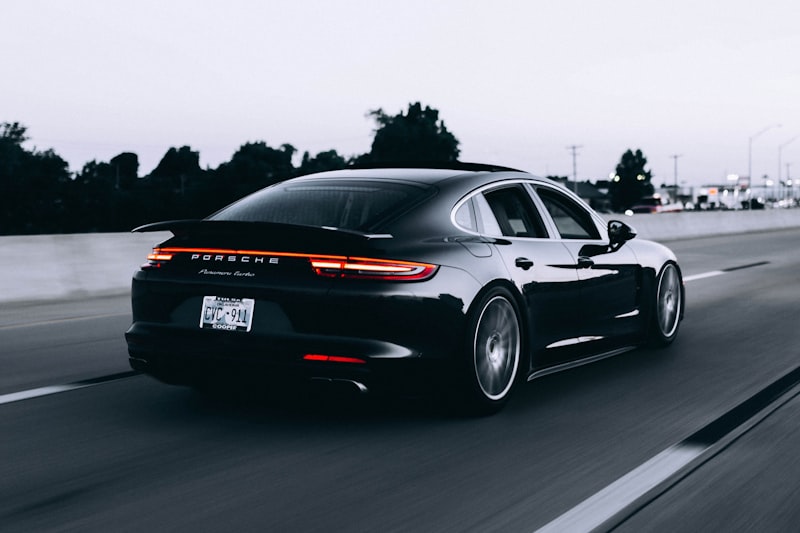
Introduction: Shine On! Why Car Wax Matters
Your car is more than just a mode of transportation; it's an investment. Protecting that investment means taking care of its exterior, and a key component of car care is applying car wax. Car wax isn't just about making your car look good; it's about preserving the paint, protecting it from the elements, and maintaining its resale value. This comprehensive guide will delve into the world of car wax, helping you understand the different types, essential features, and how to choose the right wax for your vehicle's needs.
Understanding Car Wax: More Than Just a Shine
Car wax creates a protective layer on your car's paint, shielding it from environmental hazards like UV rays, acid rain, bird droppings, and road salt. Without this protection, your car's paint can fade, oxidize, and become damaged. Wax also fills in minor imperfections, creating a smoother, more reflective surface that enhances your car's appearance. The type of wax you choose significantly impacts the level and duration of protection, as well as the ease of application and the final shine.
Product Types: A Waxing Wonderland
The market offers a wide range of car waxes, each with its own unique properties and benefits. Understanding the different types is crucial for making an informed decision. Here are three primary categories:
1. Carnauba Wax
- Description: Carnauba wax is a natural wax derived from the leaves of the Brazilian carnauba palm tree. It's known for its exceptional shine and protective qualities.
- Pros: Offers a deep, rich gloss; provides excellent UV protection; creates a hydrophobic surface that repels water.
- Cons: Typically more expensive than synthetic waxes; can be more difficult to apply and remove; doesn't last as long as some synthetic options; can be sensitive to heat.
- Ideal For: Car enthusiasts who prioritize a high-gloss finish and are willing to put in the extra effort for application and maintenance. Best suited for vehicles stored in garages or covered parking.
2. Synthetic Wax (Polymer Sealants)
- Description: Synthetic waxes, also known as polymer sealants, are made from man-made polymers that create a durable and long-lasting protective layer.
- Pros: Excellent durability and longevity (often lasting several months); easy to apply and remove; provides good protection against environmental elements; typically more affordable than carnauba wax.
- Cons: May not offer the same depth of shine as carnauba wax; some synthetic waxes can leave a slight haze if not applied correctly.
- Ideal For: Everyday drivers who want a balance of protection, ease of use, and affordability. A great choice for vehicles exposed to harsh weather conditions.
3. Hybrid Wax
- Description: Hybrid waxes combine the best qualities of both carnauba and synthetic waxes, offering a balance of shine, protection, and ease of use.
- Pros: Provides a good balance of shine and durability; easier to apply than pure carnauba wax; offers good protection against UV rays and other environmental elements.
- Cons: Can be more expensive than purely synthetic waxes; may not offer the ultimate depth of shine like carnauba or the extreme durability of some synthetic sealants.
- Ideal For: Those seeking a compromise between the shine of carnauba and the longevity of synthetics. Suitable for a wide range of vehicles and driving conditions.
Essential Features to Consider
Beyond the type of wax, several key features can influence your decision:
- Durability: How long the wax will protect your car's paint. Consider the climate and driving conditions in your area.
- Ease of Application: Some waxes are easier to apply and buff off than others. This is especially important if you're new to car waxing.
- Shine Level: The degree of gloss and reflectivity the wax provides. Carnauba waxes typically offer the highest shine.
- UV Protection: The wax's ability to protect your car's paint from the damaging effects of the sun.
- Water Beading: How well the wax repels water, which helps prevent water spots and keeps your car cleaner.
- Price: Car waxes range in price from affordable to premium. Consider your budget and the value you place on each feature.
How to Choose the Right Car Wax: A Step-by-Step Guide
Choosing the right car wax can feel overwhelming, but by following these steps, you can narrow down your options and find the perfect product for your needs:
- Assess Your Needs: Consider your car's paint condition, driving conditions, and desired level of shine and protection.
- Determine Your Budget: Set a budget for your car wax and stick to it.
- Read Reviews: Look for online reviews and ratings from other car owners to get an idea of the wax's performance and ease of use.
- Consider Your Experience Level: If you're new to car waxing, choose a wax that is easy to apply and remove.
- Test a Small Area: Before applying the wax to your entire car, test it on a small, inconspicuous area to ensure it doesn't damage the paint.
- Follow the Instructions: Always follow the manufacturer's instructions carefully for application and removal.
Recommendations: Top Picks for Every Need
While we don't endorse specific brands, we can highlight general characteristics to look for in each category:
- Best Carnauba Wax: Look for a product with a high carnauba content and good UV protection. Read reviews to find waxes that are easy to apply and buff off.
- Best Synthetic Wax: Choose a sealant that offers excellent durability and water beading. Look for products with good reviews for ease of application.
- Best Hybrid Wax: Opt for a wax that combines the shine of carnauba with the durability of synthetics. Read reviews to find waxes that are easy to use and provide a good balance of performance.
Mistakes to Avoid When Waxing Your Car
- Waxing in Direct Sunlight: Avoid waxing your car in direct sunlight, as the heat can cause the wax to dry too quickly and become difficult to remove.
- Applying Wax to a Dirty Car: Always wash and dry your car thoroughly before applying wax.
- Using Too Much Wax: Applying too much wax can make it difficult to buff off and can leave a hazy residue.
- Not Following Instructions: Always follow the manufacturer's instructions carefully for application and removal.
- Using the Wrong Applicator: Use a clean, soft foam applicator pad to apply the wax.
FAQ: Your Car Wax Questions Answered
Here are some frequently asked questions about car wax:
Q: How often should I wax my car?
A: The frequency of waxing depends on the type of wax you use and your driving conditions. Carnauba waxes typically need to be applied every 4-6 weeks, while synthetic waxes can last for several months.
Q: Can I wax my car in the winter?
A: Yes, you can wax your car in the winter, but it's important to choose a wax that is formulated for cold weather conditions. Synthetic waxes are generally a better choice for winter waxing.
Ready to Shop: Protect and Beautify Your Ride
Now that you're armed with the knowledge to choose the right car wax, it's time to protect and beautify your ride! Explore the different types of waxes available and find the perfect one to keep your car looking its best.
Ready to find the perfect products? Browse our Automotive - Car Care collection.
Shop Car Care Now