
Introduction
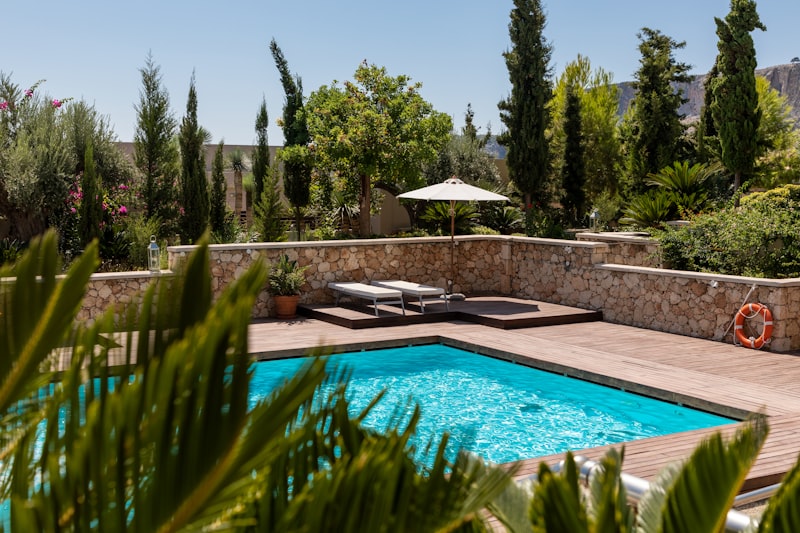
Imagine diving into a perfectly heated pool, even when the air outside is crisp and cool. With the right pool heater, this dream can become a reality. A pool heater allows you to extend your swimming season, enjoy comfortable swims regardless of the weather, and maximize your investment in your backyard oasis. This comprehensive buying guide will walk you through everything you need to know to choose the perfect pool heater for your specific needs, ensuring years of warm, enjoyable swims.
Understanding Pool Heaters
Pool heaters are designed to raise the temperature of your pool water, making it comfortable for swimming even when the ambient temperature is low. They work by transferring heat to the water as it circulates through the heater. Understanding the different types of pool heaters and their operating principles is crucial for making an informed decision.
Types of Pool Heaters
There are three main types of pool heaters, each with its own advantages and disadvantages:
1. Gas Pool Heaters
Gas pool heaters, typically fueled by natural gas or propane, are known for their rapid heating capabilities and reliability. They are a popular choice for those who need to heat their pool quickly and efficiently.
- Pros: Fast heating times, reliable performance, can maintain a consistent temperature.
- Cons: Higher operating costs compared to other options, require gas line installation, can contribute to higher carbon emissions.
- Best For: Pool owners who need to heat their pool quickly and frequently, or those who live in areas with colder climates.
2. Electric Heat Pumps
Electric heat pumps are a more energy-efficient alternative to gas heaters. They work by extracting heat from the surrounding air and transferring it to the pool water. While they heat more slowly than gas heaters, they offer significant long-term cost savings.
- Pros: Lower operating costs, environmentally friendly, quiet operation.
- Cons: Slower heating times, performance can be affected by cold ambient temperatures, higher initial cost.
- Best For: Pool owners who prioritize energy efficiency and are willing to wait longer for their pool to heat up, especially those in warmer climates.
3. Solar Pool Heaters
Solar pool heaters utilize the sun's energy to heat the pool water. They are the most environmentally friendly option and offer the lowest operating costs. However, their performance is dependent on sunlight availability.
- Pros: Free energy source, environmentally friendly, very low operating costs.
- Cons: Performance dependent on sunlight, higher initial cost, requires ample roof space for solar panels.
- Best For: Pool owners who prioritize sustainability and live in sunny climates with sufficient roof space for solar panels.
Essential Features to Consider
When choosing a pool heater, several essential features should be considered to ensure optimal performance and longevity:
- BTU Rating: The BTU (British Thermal Unit) rating indicates the heating capacity of the heater. Choose a BTU rating appropriate for your pool size and climate.
- Energy Efficiency: Look for heaters with high energy efficiency ratings to minimize operating costs.
- Digital Controls: Digital controls offer precise temperature settings and convenient operation.
- Safety Features: Ensure the heater has safety features such as overheat protection and automatic shut-off.
- Warranty: A comprehensive warranty provides peace of mind and protects against potential defects.
- Corrosion Resistance: Pool heaters are exposed to harsh chemicals, so choose a model with corrosion-resistant components.
How to Choose the Right Pool Heater
Choosing the right pool heater can seem daunting, but by following these steps, you can find the perfect fit for your needs:
Step 1: Determine Your Pool Size
Measure your pool's length, width, and average depth to calculate its volume in gallons. This will help you determine the appropriate BTU rating for your heater.
Step 2: Consider Your Climate
If you live in a colder climate, you'll need a more powerful heater to maintain a comfortable water temperature. In warmer climates, a smaller, more energy-efficient heater may suffice.
Step 3: Evaluate Your Energy Source
Decide whether you prefer gas, electricity, or solar power. Consider the availability and cost of each energy source in your area.
Step 4: Set a Budget
Determine how much you're willing to spend on a pool heater, including the initial cost and ongoing operating expenses.
Step 5: Read Reviews and Compare Models
Research different pool heater models and read reviews from other pool owners to get an idea of their performance and reliability.
Step 6: Consult with a Professional
If you're unsure which pool heater is right for you, consult with a pool professional who can assess your needs and recommend the best option.
Recommendations for Different Needs
Here are some general recommendations based on different pool owner needs:
- For Quick Heating: A gas pool heater with a high BTU rating is the best choice.
- For Energy Efficiency: An electric heat pump offers the lowest operating costs and is environmentally friendly.
- For Sustainability: A solar pool heater is the most sustainable option and offers free energy from the sun.
- For Small Pools: A smaller electric or propane heater might be sufficient.
- For Large Pools: A gas heater with a high BTU rating or multiple solar panels may be necessary.
Mistakes to Avoid When Buying a Pool Heater
Avoid these common mistakes when purchasing a pool heater:
- Buying a Heater That's Too Small: A heater that's too small won't be able to heat your pool effectively, especially in colder climates.
- Ignoring Energy Efficiency: Choosing a heater with poor energy efficiency can lead to high operating costs.
- Neglecting Installation Costs: Factor in the cost of installation when budgeting for a pool heater.
- Forgetting Maintenance: Regular maintenance is essential for keeping your pool heater in good working condition.
- Not Reading Reviews: Reading reviews from other pool owners can provide valuable insights into the performance and reliability of different heaters.
Frequently Asked Questions (FAQ)
Here are some frequently asked questions about pool heaters:
1. How long does it take to heat a pool with a pool heater?
The time it takes to heat a pool depends on the size of the pool, the type of heater, and the ambient temperature. Gas heaters typically heat pools faster than electric heat pumps or solar heaters.
2. How much does it cost to operate a pool heater?
The cost to operate a pool heater varies depending on the type of heater, the cost of energy in your area, and how often you use the heater. Electric heat pumps generally have the lowest operating costs, followed by solar heaters, and then gas heaters.
Ready to Shop?
Now that you have a comprehensive understanding of pool heaters, you're ready to start shopping! Consider your pool size, climate, energy source, and budget to narrow down your options and choose the perfect pool heater for your needs. Happy swimming!
Ready to find the perfect products? Browse our Pool & Spa - Pool Maintenance collection.
Shop Pool Maintenance Now