
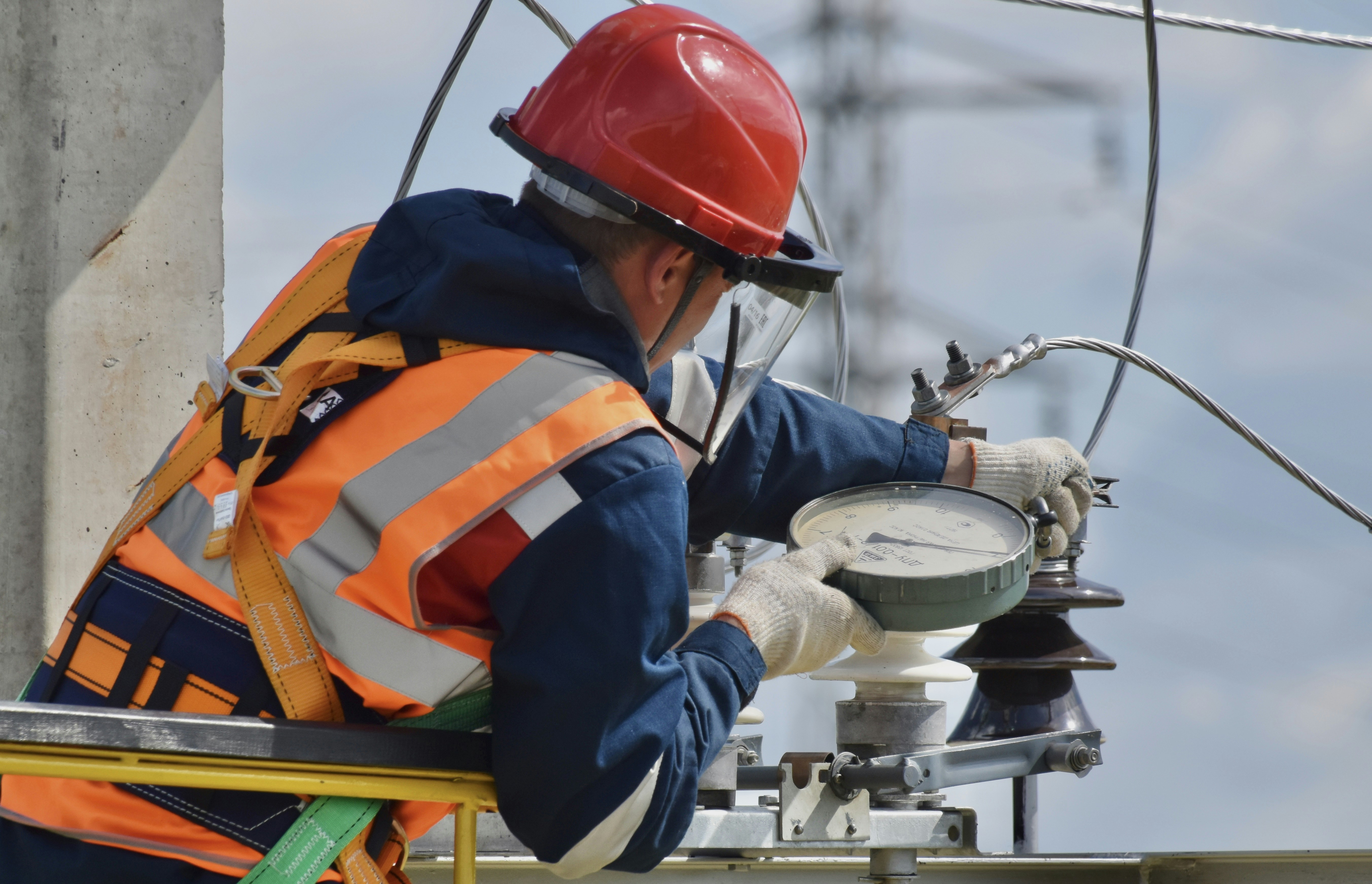
Arc Flash Protective Clothing: Essential Safety Gear for Electrical Workers
Arc flash incidents can expose electrical workers and maintenance technicians to extreme heat, molten metal, intense light, pressure, and flying debris in a fraction of a second. Arc flash protective clothing is an important part of an electrical worker's personal protective equipment (PPE), helping reduce the severity of thermal injuries when an arc flash occurs.
Unlike ordinary work apparel or general flame-resistant (FR) clothing, arc-rated garments are specifically tested and labeled for protection against the thermal effects of an electrical arc. Selecting clothing with an appropriate arc rating, wearing the required accompanying PPE, and following the employer's electrical safety program are essential when working where an arc-flash hazard exists.
Understanding Arc Flash Protection
Arc flash protective clothing is designed to resist ignition and limit the thermal energy transferred to the wearer during an electrical arc event. Protection is commonly expressed as an arc rating in calories per square centimeter (cal/cm²). Depending on the applicable standard and test method, an arc rating may be expressed as an Arc Thermal Performance Value (ATPV) or another recognized rating such as an Energy Breakopen Threshold (EBT).
The required arc rating should be selected based on the electrical hazard assessment rather than simply the worker's job title or the voltage of the equipment. For electric power generation, transmission, and distribution work covered by OSHA 29 CFR 1910.269, protective clothing and equipment requirements are tied to the estimated incident energy and other applicable conditions.
Arc-rated clothing is intended to reduce the likelihood and severity of thermal injury. It does not eliminate every hazard associated with an arc flash. Electrical shock, arc-blast pressure, flying objects, molten material, intense light, and hearing hazards may require additional protective measures and PPE.
Arc Flash Clothing Types and Protection Levels
When the NFPA 70E PPE Category method applies, categories correspond to minimum arc-rating requirements. They are not generic descriptions of electrical occupations and should not be used as a substitute for an incident-energy analysis when an analysis is required.
- Category 1 — minimum 4 cal/cm²: Requires an arc-rated clothing system with a minimum arc rating of 4 cal/cm², together with the other PPE specified for the applicable task.
- Category 2 — minimum 8 cal/cm²: Requires an arc-rated clothing system with a minimum arc rating of 8 cal/cm², along with the additional PPE required for the task and equipment.
- Category 3 — minimum 25 cal/cm²: Requires an arc-rated clothing system rated at least 25 cal/cm² and may involve a more comprehensive combination of arc-rated garments and head/face protection.
- Category 4 — minimum 40 cal/cm²: Requires an arc-rated clothing system rated at least 40 cal/cm² and typically involves a higher-rated arc-flash suit and hood system.
These categories apply only when the applicable NFPA 70E task and equipment conditions permit use of the PPE Category method. Where an incident-energy analysis is used, the selected arc-rated PPE should have an arc rating at least equal to the estimated incident energy for the applicable exposure.
Important: A PPE Category number is not the same thing as an arc rating. For example, Category 2 has a minimum arc-rating requirement of 8 cal/cm², while a specific garment may have a higher documented arc rating. Always check the garment label and manufacturer's documentation rather than relying on the category number alone.
Incident Energy vs. PPE Category: What's the Difference?
Understanding the difference between incident energy and PPE Category helps workers avoid choosing protective clothing based on assumptions.
- Incident energy: The calculated thermal energy that may reach a worker at a specified working distance during an arc-flash event, normally expressed in cal/cm².
- Arc rating: The thermal-performance rating of an arc-rated garment or clothing system, expressed in cal/cm².
- PPE Category: A method used by NFPA 70E to specify minimum PPE for qualifying tasks and equipment under defined conditions.
- Hazard assessment: The process used by the employer or qualified electrical professional to determine the hazards, required controls, boundaries, and PPE for the work.
The goal is not simply to choose the highest-numbered category. The goal is to select PPE that is appropriate for the specific electrical hazard while maintaining the coverage and functionality required for the task.
How to Read an Arc Flash Clothing Label
Before purchasing or wearing arc-rated clothing, check the garment label and manufacturer's documentation. Look for the arc rating in cal/cm² and the applicable standard information. The label may identify an ATPV, EBT, or another applicable arc-rating value depending on the garment and test method.
Do not assume that a garment is arc-rated because it is described as flame-resistant, FR, fire-resistant, or industrial workwear. A garment intended for arc-flash protection should have appropriate arc-rating information and documentation for its intended application.
Workers should also check garment size, coverage, care instructions, manufacturer limitations, and compatibility with other required PPE. A properly rated garment that is incorrectly worn, damaged, contaminated, or improperly modified may not provide the protection expected from its tested configuration.
Essential Features of Quality Arc Flash Gear
Arc-Rated Fabric: Quality arc flash clothing is manufactured from materials designed and tested for flame resistance and arc exposure. Common fiber systems include treated cotton, modacrylic blends, and aramid-based materials. Fiber content alone does not determine whether a garment is suitable for arc-flash protection. The garment's documented arc rating, construction, labeling, and applicable standards should be verified.
Seam and Garment Construction: Arc-rated garments are constructed to provide the required protective performance throughout the garment. Seams, closures, pockets, and other components are important parts of the overall garment design. ASTM F1506 includes requirements relating to performance, garment construction, durability, and labeling for covered protective clothing.
Closures and Hardware: Zippers, snaps, buttons, and other components should be appropriate for the garment's intended electrical-hazard application. Workers should follow the manufacturer's instructions and wear the garment as designed, including securing required closures and maintaining appropriate coverage.
Complete PPE System: Arc-rated clothing is only one component of arc-flash protection. Depending on the hazard assessment, workers may also require arc-rated face and head protection, safety glasses or goggles, hearing protection, voltage-rated gloves, protective footwear, and other electrical PPE. OSHA requires appropriate eye and face protection where workers are exposed to hazards from electrical arcs or flashes.
How to Choose Arc Flash Protective Clothing
Start with your employer's electrical safety program and the applicable arc-flash risk assessment. Where an incident-energy analysis is available, use the documented incident-energy value, working distance, and applicable conditions to select PPE with an appropriate arc rating.
Where the NFPA 70E PPE Category method is applicable, verify that the task and equipment fall within the conditions for the selected category. Do not automatically substitute a PPE Category for an incident-energy calculation when an incident-energy analysis is required.
Never choose arc-rated clothing based solely on equipment voltage. Arc-flash exposure can also depend on available fault current, protective-device clearing time, equipment configuration, working distance, and other electrical-system characteristics.
Consider the work environment as well. Higher-rated arc-flash clothing can be warmer, heavier, or more restrictive than lower-rated garments. Proper sizing and appropriate garment selection can improve comfort while maintaining the required coverage. Comfort should support compliance with the PPE requirements rather than replace them.
Verify the arc rating printed on each garment and follow the manufacturer's instructions for laundering, storage, inspection, compatible components, and replacement. ASTM F1506 establishes performance and labeling requirements for covered arc-rated protective garments.
Recommendations for Different Work Scenarios
Utility and Substation Work: Utility and substation personnel can encounter significant electrical hazards, but the required PPE should be determined by the specific equipment, task, system conditions, and applicable electrical safety assessment. OSHA specifically addresses arc-rated clothing and other protective equipment for employees exposed to electric-arc hazards in covered electric power generation, transmission, and distribution work.
Industrial Electrical Maintenance: Industrial electricians working around panels, switchgear, motor-control centers, disconnects, and distribution equipment should follow the employer's electrical safety program and applicable hazard assessment. Equipment voltage alone does not determine the required arc rating.
Manufacturing Maintenance: Maintenance technicians should evaluate each work area and task rather than assuming that one PPE level is appropriate everywhere. Maintaining appropriately rated garments for different tasks can help workers use the PPE specified by the applicable assessment and electrical safety procedures.
Electrical Testing and Troubleshooting: Diagnostic and testing activities can create different exposure conditions depending on the equipment and task. Workers should follow the established energized-work procedures, boundaries, and PPE requirements rather than selecting clothing based solely on the equipment's nominal voltage.
Common Mistakes to Avoid
Don't confuse FR clothing with arc-rated clothing. Flame-resistant and arc-rated are related but distinct concepts. A garment should not be assumed to provide arc-flash protection simply because it is labeled FR. Look for documented arc-rating information and applicable standard information.
Don't choose PPE based only on voltage. Voltage is only one factor in evaluating electrical hazards. Available fault current, fault-clearing time, working distance, equipment configuration, and other characteristics can affect incident energy.
Don't assume a higher PPE category is automatically appropriate. More protection is not a substitute for performing the required hazard assessment. Higher-rated clothing can add heat, weight, and bulk, and PPE should be selected based on the actual hazard and applicable requirements.
Don't wear damaged or contaminated garments. Inspect arc-rated clothing regularly for holes, tears, excessive wear, contamination, or other damage. Follow the manufacturer's laundering, inspection, storage, and replacement instructions. Clothing that no longer meets the manufacturer's condition requirements should be removed from service.
Don't modify garments without authorization. Alterations can affect coverage, seams, closures, and the garment's tested configuration. Only make modifications when permitted by the manufacturer and performed according to the manufacturer's requirements.
Don't forget the rest of the PPE system. Arc-rated clothing does not provide complete protection by itself. The applicable hazard assessment may require additional protection for the head, face, eyes, hands, hearing, feet, and body.
Frequently Asked Questions
How long does arc flash protective clothing last? There is no universal two- or three-year expiration period for every arc-rated garment. Service life depends on the garment, frequency of use, laundering, contamination, wear, damage, and the manufacturer's instructions. Inspect garments regularly and replace them when they no longer meet the manufacturer's condition requirements.
Can arc flash clothing be altered or customized? Only when permitted by the manufacturer and performed in a way that preserves the garment's required protective characteristics. Unauthorized alterations can affect coverage, seams, closures, and overall performance. Always follow the garment manufacturer's instructions.
Is arc flash protection required for all electrical work? Requirements depend on the electrical hazard, task, equipment, applicable OSHA requirements, and the employer's electrical safety program. OSHA requires appropriate electrical protective equipment for workers exposed to applicable electrical hazards, including eye and face protection where workers face hazards from electrical arcs or flashes.
What does cal/cm² mean on arc flash clothing? Cal/cm² describes the thermal-energy rating of an arc-rated garment or clothing system. Under the NFPA 70E PPE Category method, the minimum arc ratings associated with Categories 1 through 4 are 4, 8, 25, and 40 cal/cm², respectively. The applicable PPE should always be selected according to the task, equipment, assessment method, and required protection level.
What is ATPV? ATPV stands for Arc Thermal Performance Value. It is one type of arc rating used to describe the thermal performance of protective clothing during arc exposure. A garment may instead be labeled with another recognized arc-rating value, such as EBT, depending on its test results and construction.
Does a higher arc rating always mean better protection? A higher arc rating indicates greater thermal-energy protection, but PPE should be selected for the actual hazard and task. Higher-rated clothing can also add heat, weight, and bulk. The appropriate PPE is the equipment that meets the applicable requirements while providing the necessary coverage and allowing the worker to perform the task safely.
Ready to Shop
Protect yourself with properly rated arc flash protective clothing from Home Essentials Direct. Browse our selection of arc-rated garments, protective hoods, coveralls, and other industrial safety equipment.
Before purchasing, verify the required arc rating for your application and confirm that the garment's labeling and documentation meet your workplace requirements. If your workplace has an incident-energy analysis or specified PPE Category, use that information when selecting your protective clothing.
Choose protection based on the electrical hazard assessment—not simply on job title or equipment voltage—and always follow your employer's electrical safety procedures.
Ready to find the right products? Browse our Office, Industrial & Repair collection.
Shop Office, Industrial & Repair Now