
Introduction
Grout and tile cleaning machines tackle one of the most stubborn home maintenance challenges: removing embedded dirt, soap scum, mold, mildew, mineral deposits, grease, and discoloration from tile surfaces and grout lines. Unlike manual scrubbing, these specialized machines use mechanical agitation, heated water or steam, and targeted cleaning solutions to loosen buildup and make difficult cleaning jobs more manageable. Whether you're refreshing a bathroom, restoring a kitchen backsplash, preparing a property for sale, or maintaining large tiled floors, understanding the different grout cleaning technologies can help you choose equipment that delivers effective results while reducing unnecessary wear on your surfaces.
Understanding Grout and Tile Cleaning Machines
Grout cleaning machines are designed to concentrate cleaning power where dirt and stains accumulate most heavily. Unlike general-purpose floor cleaners, many models feature specialized brush heads, controlled agitation, adjustable cleaning settings, or targeted steam to reach grout lines and textured tile surfaces more effectively. Compact machines are convenient for bathrooms, showers, backsplashes, corners, and other hard-to-reach areas, while larger professional-grade equipment can make extensive floor cleaning more efficient. The best machine depends on your tile material, grout condition, type of contamination, cleaning frequency, and overall project size.
Product Types and Technologies
- Oscillating Brush Cleaners: Use rapidly moving brush heads to agitate dirt and buildup with controlled, targeted motion. These machines are particularly useful for grout lines, corners, bathroom walls, kitchen backsplashes, showers, and other areas where precision matters. With the appropriate brush attachment and cleaning setting, oscillating cleaners can help remove everyday dirt, soap residue, light staining, and surface buildup while giving users greater control around sensitive areas. Always select a brush and cleaning method appropriate for the specific tile and grout material.
- Rotary Brush Machines: Use spinning brush heads to deliver more aggressive mechanical scrubbing for heavily soiled tile and grout. They can be especially effective on large floor areas, stubborn discoloration, mineral buildup, and accumulated grime. Rotary machines are generally better suited to durable surfaces such as many ceramic and porcelain tiles. Because aggressive brushing can damage sensitive finishes or deteriorated grout, start with the least aggressive setting that achieves the desired result and follow the tile manufacturer's care recommendations.
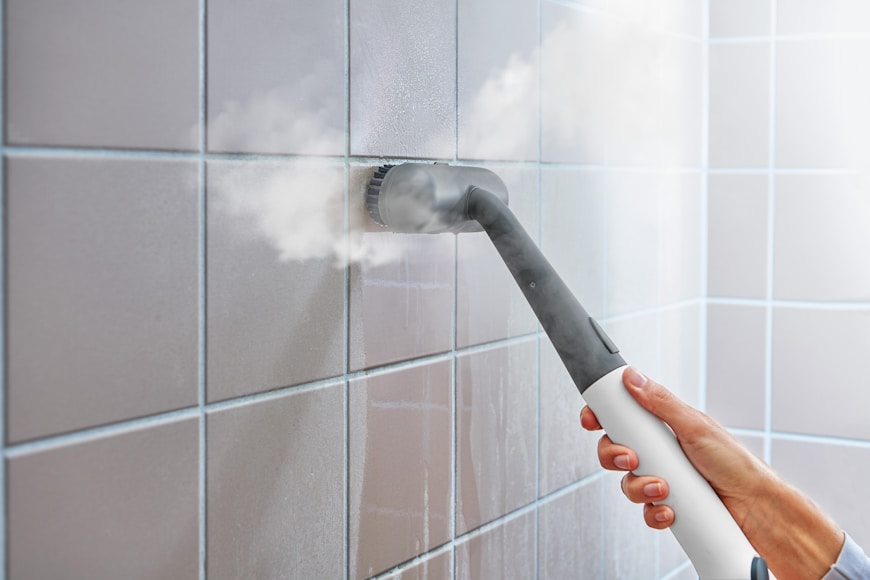
- Steam Cleaning Machines: Use heated water vapor to loosen dirt, grease, soap residue, and other buildup while reducing reliance on chemical cleaning products. Steam can also support hygienic cleaning when the equipment reaches an appropriate temperature and is used according to the manufacturer's instructions. Steam cleaners can be useful for bathrooms, kitchens, grout lines, and other areas where minimizing chemical use is a priority. However, steam and prolonged moisture are not suitable for every tile, grout, sealant, or installation, so surface compatibility should always be confirmed before use.
Essential Features to Consider
Brush Head Options: Interchangeable brush heads allow you to adapt the machine to different tile materials, grout widths, and levels of contamination. Softer brushes can provide greater control on sensitive surfaces, while stiffer brushes may be useful for durable tile and heavily soiled grout. Always confirm that the selected brush is appropriate for the surface you are cleaning.
Adjustable Cleaning Settings: Variable speed, pressure, or agitation settings allow you to match cleaning intensity to the surface and level of buildup. Lower settings are useful when working around delicate finishes, while higher settings can provide additional cleaning power for durable surfaces and stubborn contamination.
Tank Capacity: Larger water or solution tanks reduce interruptions during extensive cleaning projects. Compact tanks can be perfectly adequate for bathrooms, showers, backsplashes, and spot cleaning, while larger capacities are more convenient when cleaning multiple rooms or extensive tiled floors.
Power Source and Runtime: Corded machines provide continuous operating power, while cordless models offer greater mobility and convenience. For larger projects, consider battery runtime, charging time, power consistency, and whether spare batteries are available if needed.
Heat and Steam Controls: Steam machines with adjustable controls can provide greater flexibility for different cleaning applications. Use temperature and steam settings according to the equipment manufacturer's instructions and confirm that the tile, grout, sealant, and installation can tolerate the heat and moisture.
Weight and Ergonomics: A comfortable handle, balanced design, and manageable weight can make a significant difference during extended cleaning sessions. Lightweight and compact machines are particularly convenient for walls, showers, stairs, corners, and other areas requiring frequent repositioning.
How to Choose the Right Grout Cleaning Machine
Start by identifying the tile and grout materials you need to clean. Many ceramic and porcelain tiles can tolerate more vigorous cleaning than sensitive natural stone, but the specific finish, grout condition, and manufacturer's care instructions should always guide your cleaning method. Marble, limestone, and other delicate or acid-sensitive materials may require specialized equipment and cleaning products. Next, evaluate the type and severity of contamination. Light dirt, soap residue, and routine buildup may respond well to an oscillating cleaner or steam machine, while heavily soiled floors may benefit from a rotary brush system designed for durable surfaces.
Consider the size and frequency of your cleaning projects as well. A compact, maneuverable machine can be more practical for occasional bathroom and kitchen cleaning, whereas larger projects may justify equipment with greater coverage, a larger tank, or longer operating time. If reducing chemical use is important, steam cleaning may be an attractive option when the surfaces are compatible with steam. For stubborn stains and accumulated grime, mechanical agitation combined with an appropriate tile-safe cleaning solution can provide additional cleaning power.
Recommendations for Different Situations
Mixed Tile Surfaces: Homeowners cleaning multiple tile materials should prioritize versatile machines with interchangeable brush heads and adjustable cleaning settings. This makes it easier to reduce cleaning intensity when moving from durable porcelain to more sensitive surfaces and provides greater control across different areas of the home.
Bathroom and Shower Cleaning: Compact oscillating machines are convenient for grout lines, shower walls, corners, and other confined spaces. Steam cleaners can also be useful for loosening soap residue and supporting hygienic cleaning where the tile, grout, and installation are compatible with steam and moisture.
Kitchen Backsplash Restoration: Precision-oriented oscillating machines can provide controlled cleaning around grout lines, textured tile, fixtures, and other tight areas. For grease and stubborn buildup, use a cleaning solution specifically labeled as safe for the tile and grout material, and avoid products that could damage sensitive finishes.
Large Floor Projects: Rotary machines are often better suited to extensive areas of durable ceramic or porcelain tile because their rotating brushes can cover larger sections efficiently. Look for adjustable settings, appropriate brush options, and ergonomic features to improve control and reduce unnecessary abrasion during extended cleaning.
Chemical-Sensitive Households: Steam cleaning systems can reduce reliance on chemical cleaners when the tile, grout, sealant, and installation are compatible with steam. Keep in mind that effective steam cleaning depends on appropriate temperature, technique, contact time, and surface compatibility.
Common Mistakes to Avoid
Don't choose a machine based solely on maximum power. Excessive mechanical action, pressure, heat, or abrasive brushes can damage tile finishes, grout, or sensitive natural stone. Avoid using aggressive rotary brushes on delicate materials such as marble or limestone unless the equipment and cleaning method are specifically approved for that surface. Always verify brush compatibility before use, as an overly stiff or abrasive brush can scratch certain finishes or wear grout unnecessarily.
Another common mistake is using the same cleaning approach for every surface. Start with the least aggressive effective setting and test the machine in an inconspicuous area before tackling the entire surface. Avoid acidic or highly abrasive cleaners unless they are specifically recommended for your tile and grout, particularly when working with acid-sensitive natural stone. When using steam, confirm that the surface, grout, sealant, and installation are suitable for high-temperature moisture and follow the equipment manufacturer's instructions. Never assume that a cleaning method that works on one tile type is automatically safe for another.
Frequently Asked Questions
Can grout cleaning machines work on all tile types? Many machines are suitable for common materials such as ceramic and porcelain, but natural stone, marble, limestone, and specialty finishes may require gentler equipment, specialized brushes, or specific cleaning methods. Always check the tile and machine manufacturer's recommendations before cleaning.
Can I use a grout cleaning machine on shower grout? Many grout cleaning machines can be used on shower grout when the machine, brush, cleaning solution, and surfaces are compatible. Use an appropriate cleaning setting and avoid excessive moisture or aggressive brushing on damaged, cracked, or deteriorated grout. Test a small inconspicuous area first.
How often should I clean grout with these machines? Routine maintenance can help prevent dirt, soap residue, and other buildup from becoming difficult to remove. Light cleaning can be performed as needed, while deeper machine cleaning may be appropriate periodically depending on household traffic, moisture levels, ventilation, and the condition of the grout.
Do I need special cleaning solutions? Not necessarily. Some machines are designed for use with compatible cleaning solutions, while steam cleaners can operate using water alone. If you use a chemical cleaner, choose one specifically formulated and labeled as safe for your particular tile and grout material, and always follow the product instructions.
Are grout cleaning machines available for rental? Yes, some home improvement stores and equipment rental providers offer tile and grout cleaning machines for short-term projects. Renting can be practical when you need professional-style equipment for a one-time deep-cleaning job rather than purchasing a machine for occasional use.
Ready to Shop
The right grout and tile cleaning machine can make difficult cleaning projects faster, more manageable, and more consistent than manual scrubbing alone. Whether you need the precision of an oscillating brush cleaner, the aggressive action of a rotary machine, or the reduced-chemical approach of steam cleaning, choosing equipment based on your tile material, grout condition, contamination level, and project size is essential. Explore grout and tile cleaning solutions at Home Essentials Direct to find equipment suited to your home maintenance, deep-cleaning, and restoration needs.
Ready to find the right products for your next cleaning project? Browse our Home & Improvement collection.
Shop Home & Improvement Now