
Introduction
An RV entry step is one of the most frequently used parts of your recreational vehicle, providing a safe and convenient way to get in and out. A worn, unstable, or poorly fitted step can increase the risk of slips and falls, especially when you are carrying supplies or helping children and pets. Whether you own a travel trailer, fifth wheel, motorhome, or camper van, choosing the right RV entry step improves everyday comfort, accessibility, and safety. This guide explains the main types of RV steps, how to select the right size and material, what to consider during installation, and how to maintain your step for dependable performance on every trip.
How an RV Entry Step Works
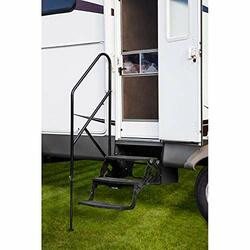
An RV entry step creates a stable transition between the ground and your vehicle's doorway. Depending on the design, it may attach to the RV's frame or designated mounting points beneath the entrance. One or more treads divide the climb into manageable steps, making boarding and exiting easier than stepping directly from the ground to a raised threshold.
RV entry steps are available in stationary, folding, sliding, and powered configurations. Manual models are operated by hand or foot, while retractable designs fold or slide into a stored position for travel. Electric RV steps use a motor and linkage to extend and retract the assembly, typically drawing power from the vehicle's 12-volt electrical system. The correct design depends on your RV's entry height, available clearance, mounting arrangement, and intended use.
Main Types of RV Entry Steps
Understanding the differences between RV step designs makes it easier to find a suitable replacement or upgrade. Each type offers distinct advantages depending on your vehicle and camping routine.
- Manual folding steps: These steps fold out for use and tuck away for travel. Their straightforward construction avoids motors and electrical wiring, making them a practical option for many travel trailers and other RVs equipped for manual steps.
- Electric RV steps: Powered steps extend and retract through a motorized mechanism, often controlled by the entry door or a switch. They offer added convenience for frequent use, although their motors, linkages, and wiring require periodic inspection.
- Fixed RV steps: These remain in position rather than folding or retracting. Their simple construction can provide a sturdy entry platform, but the design must be compatible with the RV's ground clearance and travel requirements.
- Slide-out steps: These assemblies extend from beneath the RV and retract for transport. They help keep the steps tucked away when not in use, provided there is sufficient clearance for proper operation.
- Portable or freestanding steps: These independent units can supplement an existing entrance or provide temporary access where appropriate. Choose a model designed for the intended load and surface, and never rely on an unsecured portable step as a substitute for a suitable access system on a high entry.
How to Choose the Right RV Entry Step
Measure your RV's entry height and available space. Park on firm, level ground and measure from the ground to the door threshold under your usual loading conditions. Record the doorway width, available mounting space, and clearance beneath the RV. Compare these measurements with the replacement step's published dimensions, mounting requirements, and deployed footprint. Allow sufficient clearance for the entry door and nearby components to operate without interference.
Check the load capacity. Review the manufacturer's stated weight rating and confirm that it is suitable for everyone who may use the step, including when carrying luggage, groceries, or other items. Do not assume all models have the same capacity or that a similar-looking step will support the same load. Follow the manufacturer's loading instructions and avoid exceeding the specified limit.
Choose an appropriate number of treads. The height of the RV entrance and the available mounting space determine how many steps may be needed. Multiple treads can divide a tall climb into smaller rises, while adequate tread depth and width provide room for secure footing. Compare the complete step geometry rather than choosing by tread count alone.
Compare materials and traction. Aluminum is lightweight and naturally resistant to rust, making it a popular choice for RV applications. Steel can offer substantial strength but may require protective coatings and regular corrosion checks. Look for slip-resistant tread surfaces, durable construction, and finishes suited to the weather and road conditions you encounter. Keep in mind that even textured treads can become slippery when covered with mud, ice, or debris.
Verify mounting compatibility. Check the bolt pattern, bracket configuration, mounting dimensions, and attachment points before ordering a replacement. A step that fits the doorway may still be incompatible with the RV's frame or mounting hardware. For powered models, verify the electrical supply, wiring connections, switch or door-control arrangement, and manufacturer-specific requirements. Consult your RV documentation and the step manufacturer's fitment guide whenever compatibility is uncertain.
Consider how you travel. Frequent travelers may prefer a compact retractable design, while owners who regularly camp in one location may value a suitable fixed or manually deployed option. Also consider storage clearance, ease of cleaning, replacement-part availability, and the amount of maintenance required over time.
Installing an RV Entry Step
Some RV entry steps are designed for bolt-on replacement, but installation requirements vary by model and vehicle. Before removing an existing assembly, park securely, prevent the RV from moving, and support the step so it cannot fall unexpectedly. Follow the vehicle and step manufacturers' instructions, use compatible mounting hardware, and tighten fasteners to the specified torque where provided. Never rely on an unsupported step or an uncertain mounting surface.
After installation, inspect the mounting points and confirm that the assembly is aligned correctly. Deploy and retract the step through several complete cycles, checking that the treads remain stable and level and that the mechanism does not contact the RV body, door, or nearby equipment. For powered models, follow the manufacturer's electrical isolation and reconnection procedures, protect wiring from abrasion and moving parts, and secure connections against moisture and road debris. If the installation requires unfamiliar structural modifications or electrical work, consult a qualified RV technician.
Before using the step, verify that it is securely mounted, operates as intended, and rests on an appropriate surface when deployed. Follow the manufacturer's instructions for safe use and confirm that any retractable step is fully stowed before driving.
Care and Maintenance for RV Entry Steps
Routine maintenance helps prevent sticking mechanisms, corrosion, and premature wear. Remove dirt, sand, leaves, and road grime from the treads and moving joints, particularly after traveling on muddy or dusty roads. Clean the assembly with products suitable for its materials, and allow it to dry as appropriate to reduce moisture-related damage.
Inspect hinges, pivots, brackets, fasteners, and welds regularly. Tighten loose hardware according to the manufacturer's specifications and look for rust, cracks, bent components, or unusual movement. Lubricate designated moving parts only with products recommended for the specific step assembly, since some lubricants can attract debris or damage certain materials.
Powered steps need additional attention. Watch for unusual motor noises, slow operation, incomplete extension, or failure to retract. These symptoms can indicate an obstruction, worn mechanism, wiring issue, or electrical fault. Follow the manufacturer's troubleshooting procedure and disconnect power when instructed before inspecting moving or electrical components.
Stop using a step that wobbles excessively, has cracked or bent structural parts, shows damaged mounting points, or has a compromised tread surface. Replace damaged components or the complete assembly as appropriate. A step that appears unstable should not be relied on until it has been inspected and repaired.
Common RV Entry Step Mistakes to Avoid
Avoiding a few common mistakes can help you choose a compatible step and reduce unnecessary safety risks.
- Buying without measuring. Entry height, doorway dimensions, mounting patterns, and ground clearance vary between RVs. Confirm the complete fitment specifications before ordering instead of relying on appearance alone.
- Overlooking load capacity. Check the manufacturer's weight rating and account for the loads the step will actually carry. Never exceed the stated limit or assume that a similar model has an identical rating.
- Driving with the step extended. A deployed step may strike the road, curbs, or nearby equipment. Verify that retractable steps are fully stowed before moving the RV, and follow the manufacturer's travel instructions.
- Ignoring loose hardware or unusual movement. Vibration and repeated use can contribute to wear. Inspect mounting points and moving joints regularly, and address problems before using a damaged assembly again.
- Using an unstable or uneven setup. Soft soil, loose gravel, and uneven ground can make a portable step unstable or prevent a mounted step from sitting correctly. Use the RV's approved leveling equipment and a suitable step design for the conditions.
- Skipping compatibility checks. Matching the doorway width alone is not enough. Verify mounting dimensions, ground clearance, electrical requirements, and the step's intended application.
- Neglecting maintenance. Dirt, moisture, corrosion, and worn components can affect traction and operation. Clean and inspect the step routinely, following the manufacturer's maintenance schedule.
Frequently Asked Questions
Is an electric RV step better than a manual one?
Not necessarily. Electric steps provide convenient, push-button or door-linked operation, which can be useful for frequently accessed or higher entrances. However, they introduce motors, wiring, and moving mechanisms that require maintenance and troubleshooting. Manual steps generally have fewer components and can be simpler to service. The best option depends on your RV's compatibility, accessibility needs, usage patterns, and maintenance preferences.
How do I know what size RV entry step to choose?
Measure the distance from the ground to the door threshold with the RV properly positioned, then record the doorway width, available mounting space, and ground clearance. Compare these figures with the manufacturer's installation dimensions and recommended entry-height range. Check the number and size of the treads, mounting arrangement, and door clearance before purchasing.
What material is best for an RV step?
Aluminum is a popular option because it is lightweight and naturally resistant to rust. Steel may offer a robust construction but needs appropriate corrosion protection and regular inspection. Material alone does not determine safety, so also compare the load rating, mounting strength, tread traction, finish, and suitability for your RV.
Can I replace an RV entry step myself?
A compatible bolt-on manual step may be manageable for an owner with the right tools and mechanical experience. However, step assemblies can be heavy, and incorrect mounting can create a serious safety hazard. Support the assembly during removal, follow the manufacturer's instructions, and verify all mounting and operating requirements before use. Powered steps may involve electrical connections and moving mechanisms, so professional installation is advisable if you are unfamiliar with the work.
How often should I inspect my RV entry step?
Inspect the step regularly, including before trips and after exposure to heavy dirt, moisture, or rough road conditions. Check the mounting hardware, tread surfaces, pivots, and overall stability. Powered models should also be checked for unusual sounds or incomplete movement. Follow the maintenance schedule provided by the manufacturer and address damage or abnormal operation promptly.
Ready to Shop
The right RV entry step combines a compatible fit, adequate load capacity, dependable construction, and slip-resistant treads. Before buying, measure your entry height and mounting area, verify the manufacturer's specifications, and choose a design that suits your RV and travel routine. Regular cleaning and inspection can help preserve reliable operation and extend the service life of your investment.
Whether you are replacing a worn step or upgrading your RV's entry, compare compatible automotive products and accessories before making your choice. Prioritize fitment, safety, durability, and ease of maintenance over appearance alone.
Looking for products and accessories for your next journey? Explore our Automotive collection to find options for your vehicle and travel needs.
Shop Automotive Now